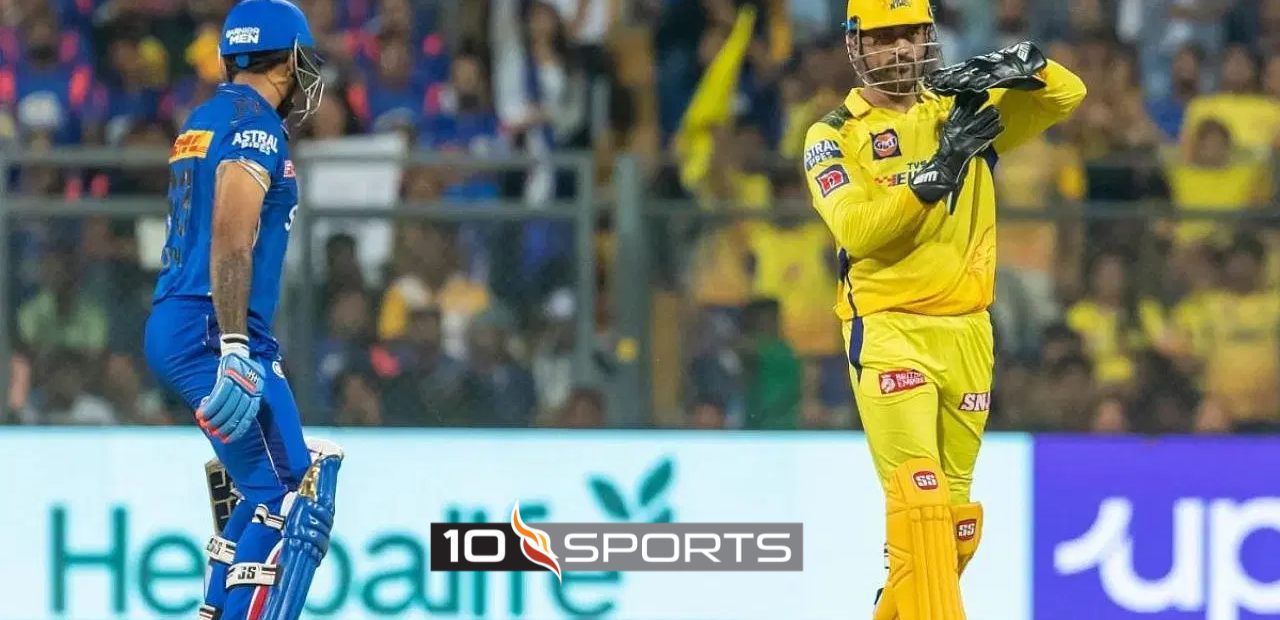
If cricket has one invention that divides fans more than the Impact Player Rule , it’s the Decision Review System (DRS) . Some swear by it as the fairest tech in sport. Others think it’s just an illusion of accuracy, dressed up with graphics and slow-motion replays. Either way, DRS has completely changed how cricket feels — on the field, in the commentary box, and even on 10sports for bettors chasing those fine margins. So, What Exactly Is DRS? At its core, DRS is a way for players to challenge an umpire’s call. Each team gets a set number of reviews. Think the batter was wrongly given out LBW ? Or the bowler feels the edge was missed? They signal “T” with their hands, and suddenly the big screens light up. Technology takes over. But here’s the part most fans don’t realise — DRS isn’t just one system. It’s a cocktail of tech. Hawk-Eye for ball tracking , UltraEdge (Snicko) for faint nicks, HotSpot for heat signatures on the bat. Together, they create a verdict that looks bulletproof… but isn’t always. Why Players Love and Hate It Ask a bowler, and he’ll say DRS finally gives him justice against dodgy umpiring. Ask a batter, and she’ll tell you reviews save careers against those howlers. But the catch? The “ Umpire’s Call .” That’s the rule where the original decision stands if the tracker shows only a part of the ball hitting. Basically, technology admits it’s not 100% perfect — and that’s where the debates start. Fans scream on Twitter. Experts argue in commentary. Captains throw up their arms. Drama sells, and DRS provides it on tap. Where Bettors See the Real Game For most viewers, DRS is about right or wrong. But for punters on 10sports also called as 10sports live , it’s about timing. Reviews can swing live betting odds faster than a six in the last over. A wicket overturned? Suddenly, the chasing team has a new life. A missed edge confirmed? The bowling side’s odds tighten instantly. The smartest bettors track patterns in these while betting on cricket live — which captains waste reviews early, which umpires have higher overturn rates, how certain venues handle tech (some stadium feeds are notorious). DRS isn’t just fairness; it’s data. And in betting, data is an opportunity. Tech or Theatre? Let’s be honest — DRS also adds theatre. The suspense of waiting, the heartbeat pauses as the tracker rolls in, the crowd holding its breath before “OUT” or “NOT OUT” flashes. It’s entertainment as much as justice. Purists hate the stop-start drama, but younger fans thrive on it. The irony? DRS was meant to reduce controversy, but half the time, it fuels even more arguments. The “gray zone” of Umpire’s Call is a perfect example. It’s not black-and-white truth. It’s technology playing referee, but leaving the human element alive. Maybe that’s why the game feels balanced — not fully robotic, not fully flawed. So, Does DRS Work? Yes. And no. It’s better than leaving everything to human error. But it’s not flawless, and cricket’s beauty might actually lie in that imperfection. Without controversy, without debates, would we even enjoy the game as much? For fans, DRS is part frustration, part relief. For players, it’s a safety net. And for bettors, it’s another layer of unpredictability that makes cricket betting such a wild ride. Love it or hate it, DRS isn’t going anywhere. It’s here to stay — the sport’s truth machine, and sometimes, its greatest illusion.