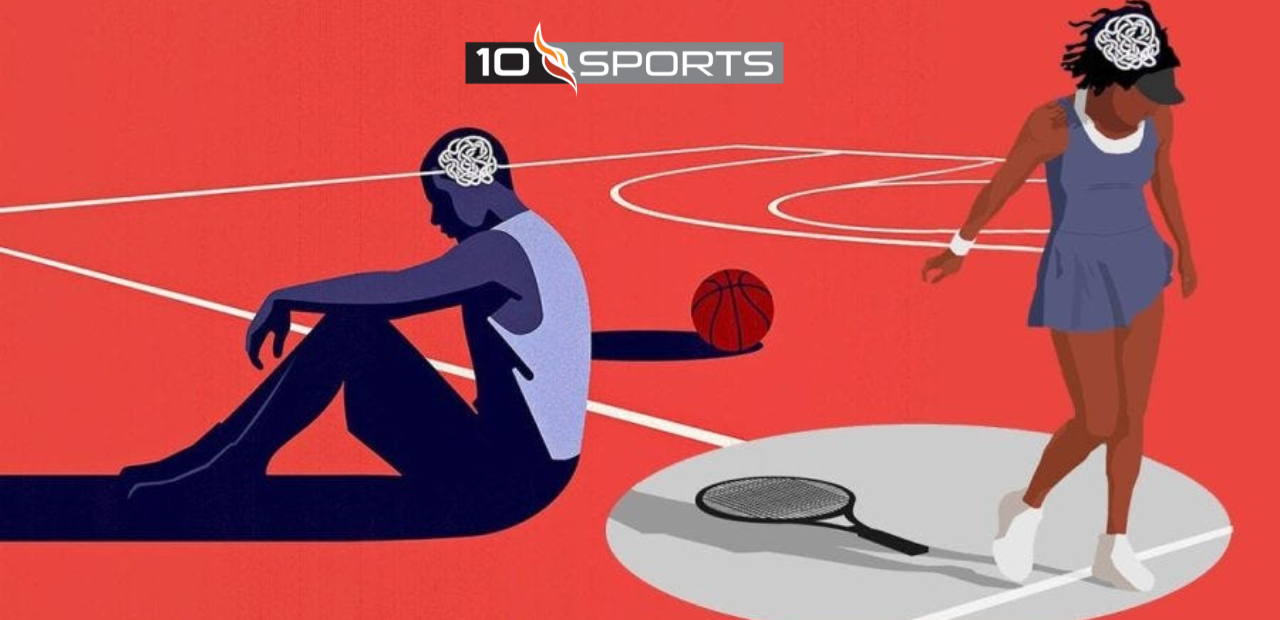
We love to think of sports as simple: a ball, a bat, a crowd, and the scoreboard ticking away. But here’s the truth — the toughest fight doesn’t always happen on the pitch. It happens inside a player’s head. And while fans scream at the screen, refreshing 10sports for every update, they often miss what’s really unfolding: the silent battles with doubt, anxiety, and pressure. I’ve seen it. Maybe you’ve felt it too. That twist in your stomach before something big. Now imagine that — but multiplied by millions of viewers, betting markets moving in real-time, and an entire nation’s expectations. That’s the invisible weight athletes carry. And it’s why platforms like 10 sports aren’t just about highlights anymore. They’ve started holding space for deeper conversations — ones that actually matter. Pressure Isn’t Just a Buzzword Think about a cricketer walking out during the Asia Cup 2025 . The crowd is deafening, the bowler’s glaring, and somewhere, thousands of fans are tapping refresh on 10sports live . Every shot isn’t just a shot; it’s a statement. A mistake? It goes viral in seconds. That’s not “game pressure” anymore — that’s sports betting pressure , career pressure, social pressure all rolled into one. And here’s the kicker: even the most skilled athlete can crumble when the brain locks up. Sweaty palms, shaky timing, intrusive thoughts. You can train for six-packs, but how do you train for silence in your own head? That’s where athlete psychology comes in — but for too long, nobody wanted to talk about it. The Old Taboo For decades, saying “I’m struggling” in sport was like admitting defeat. Coaches brushed it aside, fans mocked it, teammates sometimes stayed silent. You were expected to just grind through. And so many athletes did — until something cracked. Burnouts, sudden retirements, even darker outcomes we don’t like to mention. But things are shifting. More athletes are stepping up, saying out loud: I need help. I need rest. I need to breathe. When these words echo on 10sports live , the shock slowly turns into respect. And fans? They start realizing — strength isn’t just lifting weights, it’s carrying your own mind with honesty. Why Platforms Matter It’s easy to underestimate the role of media. But here’s why I rate 10sports and its cousins so high. They’re not only delivering scorecards. They’re giving voice to stories about mental health in sports that would have been buried years ago. A podcast here, an interview there, even a quick push notification reminding fans that athletes aren’t robots. On 10 sports , you’ll find odd juxtapositions — a live betting market on one tab, and on the next, an article about a star athlete’s therapy journey. Strange? Maybe. But important? Absolutely. Because it forces fans to see the link: the weight of expectation isn’t abstract, it’s real, and players feel it every second. Athletes Speaking Their Truth The turning point always comes when big names talk. When a world-class batter admits he can’t sleep before finals, it lands. When a footballer says therapy stopped him from quitting, it resonates. And here’s the beauty — young athletes watching on 10sports live suddenly see permission. Permission to admit they’re human too. That ripple effect? It’s priceless. You hear under-19 cricketers saying openly, “Yeah, pressure’s brutal.” You see local league players acknowledging anxiety without shame. And fans on 10 sports ? They start clapping for honesty, not just centuries. The New Normal I’ll say this plainly: mental training is the new fitness. Breathing drills, mindfulness apps, sports psychologists on team payrolls — all this is becoming standard. It’s not some luxury. It’s survival. Neuroscience keeps proving it: the brain decides performance as much as muscle does. And when platforms like 10sports normalize these conversations, the stigma chips away faster. Slowly, we’re heading into an era where taking a break for mental health isn’t scandal. It’s strategy.